

London Fields park area garden maintenance by local gardeners
Posted on 04/11/2026
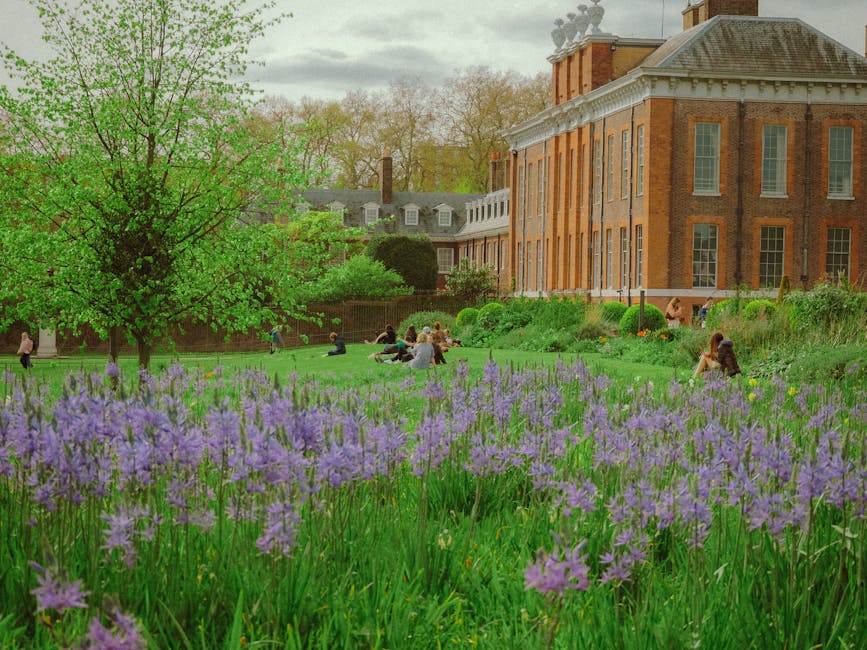
If you live near London Fields, you already know the outdoor rhythm of the area: busy pavements, compact front gardens, shared boundaries, a lot of foot traffic, and weather that can turn a tidy space into a scruffy one overnight. That is exactly why London Fields park area garden maintenance by local gardeners is so valuable. It is not just about keeping things neat. It is about making a garden work properly in a dense, lived-in part of Hackney, where every square metre has to earn its keep.
Whether your space is a small courtyard off the park, a family garden near a busy road, or a front patch that gets constant shade and street debris, local upkeep makes a visible difference. You get healthier planting, safer paths, better boundaries, and less of that weekend panic when the weeds have clearly won. In this guide, we will look at what the work involves, why local knowledge matters, how maintenance is typically done, and what to expect from a dependable gardening team.
One thing people often underestimate? Regular maintenance saves you from bigger repairs later. Sounds obvious, but in the real world it is the difference between a manageable trim and a full garden revival.
Why London Fields park area garden maintenance by local gardeners Matters
Gardens around London Fields face a particular mix of pressures. You get urban dust, compacted soil, partial shade from nearby buildings, wind tunnelling between streets, and a steady stream of seasonal mess. Leaves build up fast. Lawns thin out. Climbers get away from you. Beds that looked cheerful in spring can become ragged by midsummer if they are left unattended. So maintenance here is not cosmetic fluff; it is basic garden health.
Local gardeners bring something important to the job: familiarity with the area's conditions. They know which plants cope better with shade, where moss tends to gather, how hedges behave after a windy spell, and when a lawn needs feeding rather than another quick cut. That sort of judgement matters. To be fair, anyone can mow grass. Fewer people can look at a patch of tired planting and tell you why it is struggling.
There is also the simple question of time. London life runs fast. If you are balancing work, family, and, let's face it, the usual everyday chaos, regular maintenance keeps a garden from becoming one more thing hanging over you. It keeps the space usable, presentable, and calmer to live with.
For many homes, good upkeep also supports safety. Slippery patios, overgrown paths, low branches, and loose fencing can all become nuisance issues. If you want the broader picture of care standards, a service like garden maintenance in Hackney E5 is usually the foundation, with more specific work added as needed.
How London Fields park area garden maintenance by local gardeners Works
Good maintenance usually starts with a walk-through. A gardener looks at the garden as a system, not a list of random jobs. They will check the lawn, beds, borders, hedges, hard surfaces, drainage, and any trees or climbers that may need attention. In a compact urban space, one problem often affects another. For example, overgrown shrubs can reduce airflow, which keeps damp around longer, which then encourages moss or mildew. Annoying, yes. But predictable.
After that, the work is usually prioritised. The most urgent and visible tasks go first: clearing waste, cutting back unsafe growth, mowing or edging, and restoring access. Then comes the detail work such as weeding, feeding, deadheading, shaping, mulching, and pruning with the right timing. If the garden needs wider improvement, it may include landscaping services in Hackney, especially where beds, borders, paths, or surfaces need redesigning rather than just tidying.
In practice, maintenance can be weekly, fortnightly, monthly, or seasonal. The right schedule depends on your planting and how much the garden is used. A family garden with pets and children usually needs more frequent attention than a low-traffic courtyard. Gardens with fast-growing hedges or lawns need tighter routines too. And if your boundary planting has become dense and awkward, it may be worth looking at hedge trimming in Hackney E5 or, where growth is heavier, tree surgery in Hackney E5.
Local gardeners also bring the right equipment for the job. That does not just mean sharper tools. It means having the right approach for small accesses, shared entrances, and the usual urban limitations. Sometimes you need a compact mower. Sometimes you need a hand saw instead of a hedge trimmer. Simple, but important.
Key Benefits and Practical Advantages
The biggest benefit is consistency. A garden that is maintained regularly tends to look better, recover faster after bad weather, and need fewer drastic interventions. That matters a lot around London Fields, where outdoor space often has to do several jobs at once: relaxing spot, play area, entertaining space, storage edge, and visual relief from the street.
Here are the most practical gains people notice:
- Healthier planting: Regular feeding, pruning, and weed control help plants grow steadily instead of stalling.
- Better-looking boundaries: Hedges, fences, and edge planting stay sharper and less messy.
- Safer access: Pathways, patios, and steps are less likely to become slippery or cluttered.
- Lower long-term cost: Routine care usually costs less than rescuing a neglected space.
- More usable space: You actually get to enjoy the garden, rather than avoiding the bits that have gone wild.
There is a quiet emotional benefit too. A tidy garden changes how a home feels. It makes the morning coffee better. It makes opening the back door feel like a small pleasure instead of a chore. That sounds a bit sentimental, perhaps, but it is true.
For lawns in particular, maintenance should be tied to proper care rather than random cutting. If you want a more focused approach, lawn care in Hackney E5 and lawn mowing in Hackney are often the services that keep things stable through the growing season.
Who This Is For and When It Makes Sense
This kind of service makes sense for quite a few people, not just homeowners with big gardens. In fact, some of the most common clients are those with smaller spaces, because smaller gardens show neglect very quickly.
- Busy professionals who want the garden maintained without sacrificing weekends.
- Families who need safe, tidy, low-fuss outdoor space.
- Landlords and managing agents who want exterior areas to stay presentable.
- Older residents who prefer reliable help with heavy or repetitive tasks.
- New homeowners who are still figuring out what is worth keeping and what needs a reset.
- People with pets who need practical, resilient planting and easy-clean surfaces.
It also makes sense when a garden has started to drift from "a bit untidy" into "I should probably deal with that soon." That is usually the sweet spot. Not too far gone, not perfectly easy. Just the stage where timely maintenance makes a real difference.
And if the space has been ignored for a while, a seasonal reset can help. Services like local gardening support in Hackney E5 are useful when you need more than a quick tidy-up and want a plan for the whole garden.
Step-by-Step Guidance
If you are planning maintenance for a London Fields garden, here is a sensible way to approach it. No drama. Just a practical sequence that works.
- Start with a full assessment. Look at lawn health, weed pressure, hedge growth, drainage, and whether anything is blocking access or light.
- Clear the obvious clutter. Remove dead leaves, broken stems, spent annuals, and waste that has collected along edges or behind pots.
- Cut back what is overreaching. This includes hedges, climbers, and anything touching paths, windows, or fences.
- Tackle weeds properly. Pull them from the root where possible. Surface-only tidying looks better for about five minutes.
- Refresh the soil surface. Add compost, mulch, or a suitable feed depending on the planting and time of year.
- Check lawn condition. Mow at the right height, edge cleanly, and deal with patchy areas before they spread.
- Inspect structures. Look at fence panels, decking, paving joints, and patio edges for early wear.
- Plan follow-up work. Maintenance is a cycle, not a one-off fix. Put the next visit in the calendar before the garden slips again.
If your hard landscaping needs cleaning as part of the wider tidy-up, patio cleaning in Hackney E5 can make a bigger visual difference than people expect. A dirty patio can make the whole garden feel neglected, even when the plants are doing fine.
One small but useful tip: do not try to do everything in one go if the garden has been untouched for months. Split it. First the safety and access issues. Then the health issues. Then the finishing touches. It is less overwhelming that way, and the result is usually better.
Expert Tips for Better Results
Here is where local experience really pays off. The following points are the kind of things that separate a decent service from a genuinely good one.
- Match the maintenance to the season. Spring is about growth and recovery. Summer is about control and watering discipline. Autumn is about clearing, cutting back, and preparing. Winter is the time to protect structure and avoid damage.
- Do not overcut hedges. A hard trim at the wrong time can leave bare patches or stress the plant. Better to shape gradually.
- Keep an eye on shade and airflow. Around London Fields, this is a common issue. Dense planting in a shaded garden can become damp and tired faster than you expect.
- Choose low-maintenance planting where needed. Ground cover, evergreen structure, and a few well-placed shrubs can reduce the weekly workload.
- Use mulch sensibly. It helps retain moisture, suppress weeds, and improve soil, but it should not be piled against stems or trunks.
If privacy is a concern, there are practical planting strategies that can help without making the garden feel boxed in. For example, evergreen screening and faster-growing hedges can soften neighbouring views while still looking natural. Related reading like rapid hedges for privacy can give you ideas, and climbers are useful in tighter spaces too - especially if you are working with walls or fences. A few well-chosen plants can do a lot. Honestly, sometimes more than a whole weekend of rearranging pots.
If your garden gets gusty, which many London gardens do, it helps to think about wind exposure as part of maintenance rather than an afterthought. Useful guidance on shielding a garden from wind can be surprisingly relevant in the park area.
Common Mistakes to Avoid
Most garden problems are not dramatic disasters. They are small habits repeated for too long. That is the boring truth, but it is the truth.
- Only reacting when the garden looks bad. By then, the job is usually bigger and more expensive.
- Cutting hedges or shrubs too aggressively. Over-pruning can leave plants thin, stressed, or uneven.
- Ignoring the soil. A neat top layer means very little if the ground underneath is exhausted or compacted.
- Using the wrong mower height. Cutting grass too short in dry or shaded conditions weakens it.
- Leaving ivy or climbers unchecked. They can quietly take over fences, walls, and neighbouring structures.
- Forgetting drainage. If water sits after rain, maintenance should include a look at levels, compaction, and blocked flow.
One particularly common issue in urban gardens is treating every plant the same. A shade bed, a sunny strip, and a patio planter will not want the same schedule. Not even close. If you want a more tailored approach to planting and structure, ground cover ideas and vertical gardening approaches are useful ways to make small London spaces work harder without extra clutter.
Tools, Resources and Recommendations
You do not need a van full of gadgets to maintain a garden well, but the right tools make the work safer, faster, and cleaner. A solid setup normally includes pruning shears, loppers, a hedge trimmer, a mower, a rake, a spade, a hoe, gloves, and proper waste bags or containers. For detailed jobs, hand tools often give a better finish than power tools in tight spaces.
If you are handling maintenance yourself between professional visits, it helps to keep a few basics on hand:
- sharp hand pruners for deadheading and small cuts
- a sturdy rake for leaves and debris
- garden fork for light aeration and soil loosening
- watering can or hose with controllable flow
- weed tool for path edges and cracks
- slow-release feed or compost, depending on the planting
There is also a knowledge side to this. A small bit of guidance goes a long way. For beginners, starter gardening tips can help you avoid some early mistakes. If you are aiming for a calmer, more intentionally designed outdoor space, minimalist garden touches may be worth a look. And if you are trying to make the garden more family-friendly, there is useful thinking in making the outdoors safe for little ones.
When maintenance turns into something more structural, specialist help matters. Broken fencing, tired decking, and old tree growth are not really "quick tidy" jobs in disguise. They need proper attention, proper tools, and the right sequence of work.
Law, Compliance, Standards, or Best Practice
For most domestic gardens, maintenance is straightforward, but there are still good standards to follow. If trees are close to boundaries, shared paths, or public-facing edges, care needs to be taken with pruning and waste removal. If fencing or structures are near neighbours, it is sensible to work carefully and communicate where needed. You do not need drama over a hedge cut. Nobody does.
In practical terms, good practice means:
- disposing of green waste responsibly rather than dumping it at the side of the property
- using safe access methods for ladders, tools, and elevated pruning
- respecting property boundaries and overhanging growth
- keeping walkways clear during and after work
- working within the limits of the plant so pruning supports health rather than causing shock
If tree work is involved, caution matters even more. Heavy pruning or removal should be handled professionally, especially where height, decay, or hidden risk is involved. For that reason, it is worth reading up on the hidden costs of hiring a tree surgeon so you know what sensible service discussions look like.
Best practice is not about being formal for the sake of it. It is about doing the work safely, keeping the garden healthy, and avoiding avoidable problems later.
Options, Methods, or Comparison Table
Different gardens need different levels of support. Here is a simple comparison to help you think through the options.
| Approach | Best for | Strengths | Limitations |
|---|---|---|---|
| DIY top-up care | Very small, simple gardens | Low cost, flexible timing, quick tidying | Easy to miss deeper issues, time-consuming, limited tools |
| Occasional professional tidy | Gardens that only need seasonal help | Good reset, saves effort, helpful for harder jobs | Can slip between visits if the garden grows fast |
| Regular local gardener visits | Most London Fields homes and courtyards | Consistency, better plant health, fewer surprises | Requires ongoing budget and scheduling |
| Full garden redesign plus maintenance | Overgrown, awkward, or poorly laid-out spaces | Fixes structure, improves usability, long-term value | More upfront planning and likely higher cost |
For many people, the middle option is the sweet spot. A regular service handles the ongoing mess while allowing the garden to evolve naturally. If the space has become awkward to live with, a design-led reset may be the better route, and then maintenance keeps it from slipping back. A bit like cleaning the kitchen properly before deciding where everything should live. Same idea.
Case Study or Real-World Example
Imagine a small back garden near London Fields that has been left to its own devices for most of the year. The lawn is patchy, the hedge has pushed over the path, weeds are visible in the borders, and the patio is streaked with algae after a damp spell. Nothing catastrophic. Just enough to make the space feel like work instead of a place to relax.
A local gardener would usually start by clearing access and reducing the most obvious problems. The hedge gets reshaped, the lawn is mown at the right height, weeds are removed from the root, and the patio is cleaned so the whole area looks lighter. If the borders are bare or tired, a few structural plants or ground cover options may be added later. If privacy has become an issue, a hedge or climber plan could follow. Sometimes one thoughtful afternoon can reset the feel of the whole garden. Not perfect, but a proper improvement.
In that kind of job, the value is not only in the visible tidy-up. It is in the decisions made along the way: which branches to keep, where to reduce shade, how to prevent drainage problems, and what to leave for the next phase. That is the sort of judgement that makes local gardeners so useful around the London Fields park area.
Practical Checklist
Use this as a straightforward pre-maintenance or handover checklist. It keeps the brief clear and makes the job easier for everyone.
- Identify the problem areas first: lawn, hedge, beds, patio, fencing, trees, or drainage
- Remove loose debris, dead plant material, and visible waste
- Flag any safety concerns such as unstable branches or slippery surfaces
- Decide whether the garden needs a tidy, a reset, or ongoing maintenance
- Note any plant preferences, privacy concerns, or pet/child access needs
- Check whether hard surfaces need cleaning as part of the work
- Ask for a maintenance rhythm that fits the garden's growth rate
- Plan follow-up tasks for seasonal care, feeding, or replanting
Expert summary: The best garden maintenance is steady, not dramatic. Around London Fields, the spaces that stay usable are usually the ones that get small, regular attention before problems become obvious. That is the whole trick, really.
Conclusion
London Fields garden spaces can be brilliant, but they ask for a bit of discipline. Between shade, weather, density, and everyday use, outdoor areas in this part of Hackney need care that is local, practical, and consistent. That is why London Fields park area garden maintenance by local gardeners is such a sensible choice. You get people who understand the local conditions, know how to prioritise the work, and can keep your garden working as a real part of the home rather than an occasional headache.
If you are tired of patchy lawns, unruly hedges, slippery patios, or borders that never quite stay in shape, a regular maintenance plan is the easiest way back to calm. Start with the essentials, keep the schedule realistic, and build from there. The garden does not need perfection. It needs attention. And with the right help, that attention starts to feel easy.
Get a free quote today and see how much you can save.
Sometimes the best gardens are the ones that feel quietly looked after. Nothing flashy. Just healthy, tidy, and ready when you are.

Drawing upon his expertise in gardening, Louis has the skill to produce informative articles on landscaping, lawn care, and garden maintenance, aiding numerous individuals in experiencing the garden they've yearned for.