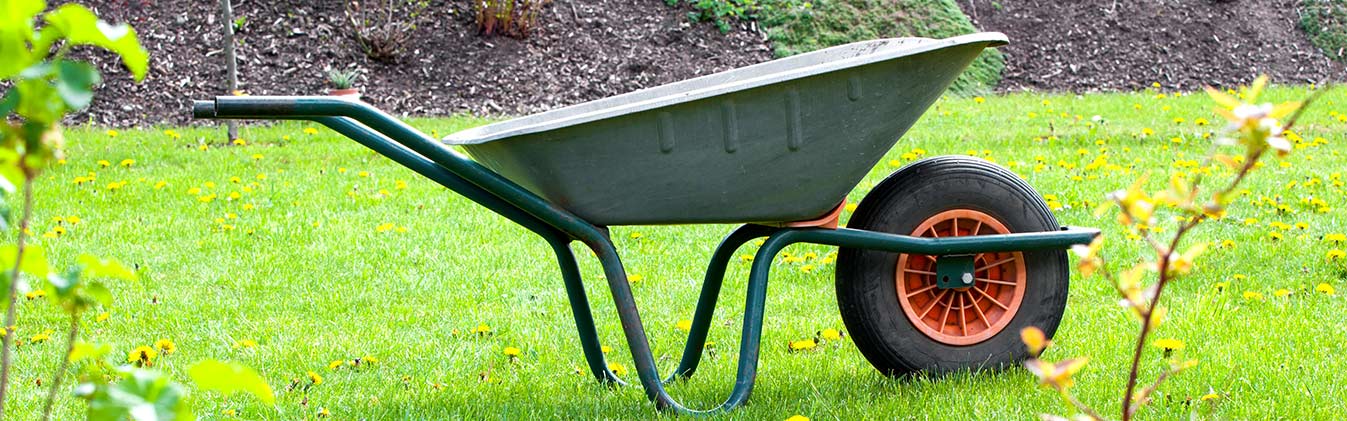


Gardeners for Victorian terraces in Stoke Newington
Posted on 11/10/2026
Gardeners for Victorian terraces in Stoke Newington: practical, elegant garden care for period homes
Victorian terraces have a charm that never really goes out of style. Tall sash windows, brick facades, narrow side returns, and compact back gardens all tell the same story: these homes were built with character, but not always with easy garden access. That is exactly why Gardeners for Victorian terraces in Stoke Newington need a slightly different approach. The best results usually come from careful planning, sympathetic planting, and maintenance that respects the shape, shade, and rhythm of an older London garden.
In Stoke Newington, many gardens are modest in size but surprisingly layered. You might have a shady north-facing patch, a sunny rear boundary, a tired lawn, a few stubborn roots, and a fence that has seen better days. The trick is not to force a "perfect" garden into the space. It's to work with the bones of the terrace and make every metre earn its keep. That is what this guide is here to help with.
Whether you are comparing local help, thinking about a full tidy-up, or just trying to make a small terrace garden easier to live with, this article breaks down what matters, what to avoid, and how to get a result that feels calm rather than cramped. Let's face it, a Victorian garden should feel lived-in, not cluttered.

Why Gardeners for Victorian terraces in Stoke Newington Matters
Victorian terraces in Stoke Newington come with a very specific set of garden conditions. The spaces are often long and narrow, overlooked by neighbouring homes, shaded by walls or mature trees, and split into awkward zones created by old extensions, boundary changes, or tired layouts. A generic gardening service can still help, of course, but the real value comes from someone who understands how to turn a period terrace garden into something practical, tidy, and genuinely pleasant to spend time in.
The best gardeners for these properties know that the job is not only about mowing, pruning, and weeding. It is also about flow. Where should the eye travel first? Which plants will soften brick and render without overwhelming the space? How do you keep a small garden private without making it feel boxed in? And what do you do when the rear corner stays damp every winter and then bakes in July? These are the little puzzles that define terrace gardening in real life.
There is also the question of preservation. Older homes often have original features, older paths, boundary walls, and mature planting that deserve a lighter touch. Overly aggressive clearing can strip away the character people actually love. A thoughtful approach tends to work better: selective pruning, layered planting, neat but not severe structure, and maintenance that keeps the garden usable all year. If you want a broader sense of support, local gardening services in Hackney E5 can help with the full range of day-to-day tasks, from seasonal refreshes to more involved garden work.
Expert summary: Victorian terrace gardens usually need restraint, planning, and regular attention more than dramatic reinvention. When the layout is respected, even a small Stoke Newington garden can feel bigger, calmer, and easier to maintain.
How Gardeners for Victorian terraces in Stoke Newington Works
Working on a Victorian terrace garden usually begins with a site read rather than a tool bag. A good gardener looks at sun path, drainage, access, boundary issues, soil condition, and how the garden is actually used. Do children play there? Is it just for entertaining? Does the owner want low-maintenance structure, wildlife planting, or both? These questions matter because a terrace garden can shift from decorative to chaotic very quickly if it is not designed around daily life.
The process usually moves through a few practical stages. First comes clearing and assessment. Then selective cutting, edging, and shaping. After that, planting changes, soil improvement, repairs to boundaries or hard landscaping, and finally a maintenance rhythm that keeps the result looking intentional. For some homes, that means a one-off rescue job. For others, it means an ongoing garden maintenance service in Hackney with scheduled visits to keep everything under control.
In older terraces, overgrowth is often hiding the real structure of the garden. I have seen back spaces where ivy, volunteer saplings, and a few over-enthusiastic shrubs make the plot feel smaller than it is. Once that is cleared, the whole place changes. The air feels lighter. The path is visible again. Even the evening light seems to bounce differently off the brickwork. Slightly dramatic, maybe. But true.
Depending on what the garden needs, the work may include hedge shaping, boundary repair, patio cleaning, lawn care, tree work, or a full layout rethink. For example, if privacy is a priority, a careful choice of screening planting can do more than a hard fence alone. If the rear garden is thin and awkward, a simple structural redesign may be more effective than trying to cram in too many features at once.
Key Benefits and Practical Advantages
Hiring gardeners who understand Victorian terraces in Stoke Newington offers more than convenience. It gives you a better chance of getting a garden that suits the property rather than fighting it. And that difference shows up every day, not just when the work is freshly done.
- Better use of space: Narrow gardens can be zoned sensibly, with seating, planting, and access arranged so the space does not feel chopped up.
- More privacy: Careful use of hedges, climbers, and screening plants can soften sightlines without making the garden feel closed in.
- Lower maintenance: A sensible planting palette and a tidy structure reduce the amount of ongoing work needed.
- Respect for period character: Older brick, stone, and timber features are better matched with plants and finishes that suit them.
- Healthier planting: Better soil preparation and pruning choices usually lead to stronger, longer-lasting growth.
- Improved safety and access: Clear paths, stable surfaces, and sensible boundaries make the garden easier to use.
A practical gardener also helps you avoid the expensive mistakes that come from treating all gardens the same. A terrace garden in Stoke Newington may need shade-tolerant planting one side and drought-ready planting another. It may need more vertical interest than width. It may need root control, ivy removal, or a rethink of the fence line. Small things, but they add up fast.
If your garden needs a broader redesign, a local landscaping service in Hackney E5 can help shape the layout so the space feels balanced rather than overworked.
Who This Is For and When It Makes Sense
This kind of gardening support is ideal if you own or rent a Victorian terrace and the garden is starting to feel harder to manage than it should. Maybe the lawn is patchy and uneven. Maybe the shrubs have gone leggy. Maybe the whole thing is just a bit tired, with a mix of good intentions and no time. Happens all the time.
It also makes sense if you are planning to sell or let the property and want the outdoor space to look cared for. A tidy, well-proportioned terrace garden can quietly raise the tone of the whole home. Nothing flashy. Just neat, honest, welcoming. You feel it when you step outside.
Here are some common situations where specialist local help is worth considering:
- The garden is small but cluttered, and you want it to feel bigger.
- Privacy is poor because neighbouring windows look directly into the space.
- There is a mature tree or overgrown boundary that needs proper attention.
- The garden is low light and the planting keeps failing.
- You want a child-friendly or dog-friendly layout that still looks good.
- You simply want routine upkeep handled without losing your weekends.
Some homeowners prefer a periodic tidy-up, while others want ongoing support. Both are valid. A one-off garden rescue can be enough if the space has good bones. If the garden keeps slipping back into chaos, regular maintenance is usually the smarter move.
Step-by-Step Guidance
If you are planning improvements to a Victorian terrace garden, a clear sequence makes the whole thing less stressful. The job gets easier once you stop trying to solve everything at once. Here is a practical way to approach it.
- Walk the space in daylight. Notice where the sun falls, where water lingers, and where the garden feels tight or overlooked.
- Decide the main purpose. Do you want family use, entertaining space, calm planting, privacy, or all four? Pick the priority first.
- Clear the obvious problems. Remove dead growth, self-seeded weeds, broken items, and anything blocking access.
- Assess structures. Check fences, paving, steps, trellis, and any timber features that may need repair or replacement.
- Cut and shape carefully. Trim shrubs, hedges, and climbers so light can move through the garden again.
- Improve soil and drainage. Terrace gardens often suffer from compacted soil, so this step is worth doing properly.
- Add structure before decoration. Paths, edging, screening, and bed shapes come first; ornaments can wait.
- Choose planting that suits the site. Shade, wind, dryness, and root competition all influence what will survive.
- Set a maintenance routine. Decide whether the garden needs monthly, seasonal, or ad hoc care.
A lot of people jump straight to plant shopping. Charming, yes. Efficient, not always. If the drainage is poor or the hedge line is messy, no amount of pretty planting will save it. Sort the frame first. Then the garden starts behaving.
Expert Tips for Better Results
For Victorian terraces, the details make the difference. A few informed choices can change a garden from "kept" to "well designed" very quickly. Here are the things that usually matter most in Stoke Newington gardens.
Work vertically where space is limited
When ground space is tight, use walls, fences, and trellis to add height. Climbers can create privacy, soften brick, and bring life into awkward shady corners. If you want ideas that suit partial shade, evergreen climbers for shady spots are a smart place to start. They keep structure through winter, which matters more than people expect.
Choose planting that does more than look nice for one month
A terrace garden should have something interesting happening through the year. That does not mean loads of plants. It means a few good ones doing useful jobs: screening, ground cover, seasonal colour, or texture. A well-chosen low layer of planting can also reduce weeds. For more on that, see ground cover planting ideas.
Protect privacy without turning the garden into a bunker
Privacy is one of the most common reasons people call for help with terrace gardens. The key is layering. A fence alone can feel harsh. Hedges alone can take time to establish. Used together, though, they create a softer and more stable result. If this is on your list, the guide on fast-growing hedge options is a useful follow-up.
Be sensible with climbers like ivy
Ivy can be beautiful, but it can also become a beast if ignored. On older terraces, it may hide damage, cling to brickwork, or spread into places you did not plan for. Removal needs care and patience. If you are dealing with a heavy infestation, the article on removing ivy properly is worth a look before anyone starts tugging at the wall.
Keep the hard landscaping in good shape
Patios, paths, and steps do a lot of visual work in small gardens. If they are dirty or uneven, the whole space feels neglected. Period gardens especially benefit from cleaner lines and safe surfaces. A simple patio cleaning service can make a surprising difference. Quiet work, big impact.
Make the garden pleasant to use, not just pleasant to look at
That means thinking about seating, shade, pet access, child safety, and where people naturally walk. There is no point creating a lovely border if it is always in the way. If you are planning a family space, the advice on making gardens safer for little ones is a useful companion read.

Common Mistakes to Avoid
Victorian terrace gardens are forgiving in some ways and brutally honest in others. They show clutter quickly. They show poor planting choices quickly too. A few mistakes come up again and again.
- Overfilling the space: Too many pots, ornaments, and features make a small garden feel cramped.
- Ignoring shade and aspect: Plants chosen for full sun will sulk in a north-facing courtyard. Fair enough, really.
- Using one-off fixes only: A single tidy-up is useful, but neglected terraces often need a proper maintenance plan.
- Cutting hedges too hard: Over-pruning can leave bare patches and weaken screening.
- Forgetting boundaries: A beautiful border can still feel unfinished if the fence line is broken or weathered.
- Letting weeds establish in joints and corners: Small gaps are where the problem starts.
Another common one: buying plants because they look good in a shop rather than because they suit the site. We have all done it. The label is attractive, the flowers are cheerful, and then two months later the plant is fading in a windy corner. Choose for conditions first, looks second. That order saves money.
If hedges are part of the garden structure, regular shaping matters more than dramatic cuts. A useful technical overview is available in hedge trimming insights, which is especially relevant for terrace gardens where clean lines matter.
Tools, Resources and Recommendations
You do not need a shed full of fancy kit to maintain a Victorian terrace garden, but a few reliable tools and services make life much easier. For most homes, the priority is simply having the right tool for the right task. Nothing glamorous, just effective.
For routine care, a solid toolkit might include hand shears, secateurs, a rake, a hoe, a spade, a fork, and a watering can or hose with decent reach. If you are doing seasonal maintenance, a good pair of gloves and a sturdy bucket are oddly important. They are never exciting purchases, but they save time every week.
For bigger jobs, consider matching the task to the service:
- regular garden maintenance for routine upkeep and seasonal tidying
- hedge trimming for shaping, screening, and boundary definition
- lawn mowing for neatness and practical lawn care
- lawn care for healthier turf and longer-term improvement
- tree surgery for larger trees, risk reduction, or heavy canopy work
- fencing work when boundaries need repair or replacement
- decking services if you need a more usable seating zone
For a broader understanding of the team behind the work, the page about the company gives a useful sense of approach and local focus.
There are also some practical reading pieces that help with decision-making. If you want low-effort improvements, low-maintenance garden ideas can be useful. If you are planning a comfortable sitting area, the guide on cozy garden seating is a sensible companion. Small choices, but they shape how the garden feels every day.
Law, Compliance, Standards, or Best Practice
Most routine gardening in Victorian terrace gardens is straightforward, but there are a few areas where care and common sense matter. If trees are being reduced, removed, or worked on significantly, it is wise to check whether any local protections apply before work starts. The same goes for boundary issues if branches cross property lines or roots are causing damage. When in doubt, handle these situations carefully rather than rushing in.
For older properties, best practice also means avoiding unnecessary damage to masonry, paths, drains, and retained features. Brickwork can be fragile. Roots can be deceptive. Heavy machinery can do more harm than good in a narrow back garden, especially if access is tight. That is why experienced gardeners tend to favour controlled, phased work rather than a single aggressive clear-out.
Safety is another key point. Good practice includes keeping access routes clear, storing tools safely, and using the right equipment for cutting, lifting, and disposal. If larger tree work is involved, the article on the hidden costs of hiring a tree surgeon is helpful for understanding what can affect a project beyond the headline price. No one likes surprises there.
It is also sensible to think about waste handling and garden hygiene. Green waste, dead timber, and old soil may need to be removed in stages. Composting is useful when appropriate, but not every material belongs in the compost heap. A little judgement goes a long way.
Options, Methods, or Comparison Table
If you are deciding how to improve a Victorian terrace garden, it helps to compare common approaches. The right choice depends on your budget, time, and how much change you actually want.
| Approach | Best for | Strengths | Watch-outs |
|---|---|---|---|
| One-off tidy-up | Overgrown gardens that need a reset | Fast, visible improvement; good for stalled spaces | Without follow-up, the garden can slide back again |
| Regular maintenance | Busy homeowners who want consistency | Keeps the garden neat, safer, and easier to manage | Less dramatic than a redesign, though often more practical |
| Selective landscaping | Homes needing better layout or structure | Improves flow, privacy, and usability | Needs more planning and usually a bigger investment |
| Plant-led screening | Gardens that need soft privacy | Gentler look, better texture, more seasonal interest | Takes time to establish and needs ongoing care |
| Hard landscaping focus | Gardens with poor access or tired surfaces | Creates durable paths, seating, and structure | Can feel stark if planting is ignored |
In practice, the best terrace gardens often use a mix. A clear path, a decent fence line, some screening planting, and routine upkeep is usually a far better investment than spending everything on one feature. You do not need the whole garden to shout. Sometimes a quiet, well-made space is what feels best.
Case Study or Real-World Example
Here is a realistic example from the kind of project many people in Stoke Newington recognise. A mid-terrace home had a narrow rear garden with a tired patch of lawn, a leaning fence, a shaded side strip, and a back corner that collected wet leaves all winter. The owners wanted somewhere they could sit in the evening without feeling like they were looking at a half-finished space.
The first step was not planting. It was clearing. Old debris came out, the worst weeds were removed, and the overgrown shrubs were reshaped so the garden could breathe again. The fence line was repaired, the path was cleaned, and the lawn was reduced to a simpler, easier-to-care-for shape. One section that never got enough light was turned into a planting bed with tougher, shade-friendly structure instead of a failing patch of grass.
Then came the softer changes. A screen planting layer was added along the more overlooked boundary. The seating area was kept simple, with enough room to move comfortably. The result was not a show garden. It was better than that. It looked like it belonged to the house, and it was realistic to maintain. By the end of the first season, the garden had started to feel like part of daily life rather than a chore waiting outside the back door.
That is the real goal for many Victorian terraces: not perfection, but ease. A garden you can use on a wet Tuesday and still enjoy on a sunny Sunday. Truth be told, that is a much better benchmark.
Practical Checklist
Use this checklist before booking work or starting your own refresh. It keeps things grounded and stops the project from wandering off into "nice idea, unclear outcome" territory.
- Walk the garden at different times of day to check shade and sun.
- Identify the main purpose: privacy, play, entertaining, low maintenance, or a mix.
- Check fences, paths, paving, and timber features for visible wear.
- Remove clutter, dead growth, and self-seeded weeds first.
- Note any trees, climbers, or ivy that may need specialist attention.
- Decide whether you need a one-off tidy or ongoing maintenance.
- Choose plants suited to your garden's aspect and soil.
- Keep the layout simple enough to maintain through the year.
- Plan where seating, bins, tools, and storage will actually go.
- Allow space for access, not just decoration.
If you can tick most of those boxes, you are already ahead of the game. Not fancy. Just sensible. And sensible tends to age well in terrace gardens.
Get a free quote today and see how much you can save.
Conclusion
Victorian terrace gardens in Stoke Newington have a lot going for them: character, enclosure, and the chance to create a genuinely personal outdoor space in the middle of London. But they also ask for a bit of understanding. A good gardener looks beyond the immediate mess and sees the structure underneath. That is where the real improvement starts.
If you take one thing from this guide, let it be this: the best results usually come from a calm, staged approach. Clear the space, respect the architecture, choose plants that fit the conditions, and keep the maintenance realistic. Do that, and even a very modest garden can become the part of the home you end up using most.
And if the space still feels a bit daunting, that is completely normal. Many of the best terrace gardens begin with one practical decision and build from there, bit by bit, until the whole place feels right.

Drawing upon his expertise in gardening, Louis has the skill to produce informative articles on landscaping, lawn care, and garden maintenance, aiding numerous individuals in experiencing the garden they've yearned for.