

Garden maintenance for homes near Hackney Central station
Posted on 27/10/2026
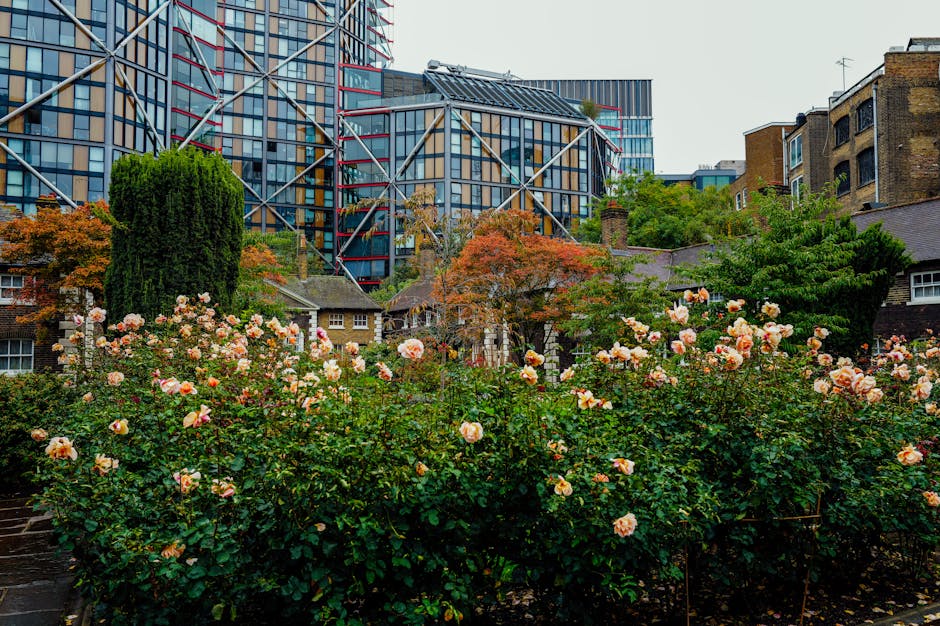
If you live near Hackney Central station, you already know the area has its own rhythm: busy streets, narrow plots, a mix of new-build courtyards and older back gardens, and weather that can change its mind by lunchtime. Garden maintenance for homes near Hackney Central station is not just about keeping things neat. It is about making a small or medium urban garden workable, resilient, and pleasant to use through the year.
That might mean cutting back a hedge before it leans over the path, restoring a tired lawn after a wet spell, or simply getting on top of weeds before they spread into every border. The good news? With the right routine, even a compact Hackney garden can look cared for without becoming a second job. This guide walks through what maintenance really involves, why it matters in this part of London, and how to approach it in a sensible, low-stress way.
- Why it matters in this part of Hackney
- How garden maintenance works
- Main benefits for homeowners
- Who needs this and when
- Step-by-step maintenance guidance
- Expert tips for stronger results
- Common mistakes to avoid
- Tools and practical recommendations
- Law, compliance, and best practice
- Maintenance options compared
- Real-world example
- Practical checklist
- Frequently asked questions
Why Garden maintenance for homes near Hackney Central station Matters
Urban gardens in and around Hackney Central tend to face a few predictable pressures. Space is often limited, neighbouring gardens are close, and planting beds can be shaded by fences, extensions, or nearby buildings. Add regular foot traffic, pet activity, and the occasional forgotten corner, and maintenance becomes less about perfection and more about control.
Neglect shows quickly in a city garden. Weeds take over faster than people expect. Lawns thin out after heavy use. Climbers like ivy or brambles can quietly creep into roofs, fences, and shared boundaries. And if the garden is visible from the kitchen or living room, even small mess adds to the feeling that the whole home needs attention. Strange, but true.
There is also the practical side. Overgrown hedges can block light. Soggy patios become slippery. Trees and shrubs left unchecked can create nuisance issues with neighbours or make access awkward. Regular maintenance keeps the garden safer, more usable, and easier to enjoy on an ordinary Tuesday morning, not just on a sunny weekend.
For many homes near the station, the real value is consistency. You do not need a dramatic makeover every month. You need a steady rhythm that keeps everything under control before small jobs become expensive ones. That is where structured maintenance earns its keep.
How Garden maintenance for homes near Hackney Central station Works
Good garden maintenance is not one single task. It is a system. In practice, it usually combines inspection, cleaning, cutting, feeding, pruning, and seasonal adjustment. The exact mix depends on the size of the garden, the planting style, and how much use the space gets.
A typical maintenance visit or routine might include:
- lawn mowing and edging
- weed removal from beds, paths, and paving joints
- hedge trimming and shrub shaping
- deadheading and pruning of spent growth
- leaf clearance and green waste removal
- checking for pest damage or disease
- basic soil care such as mulching or light feeding
- patio, path, or deck cleaning where needed
The best maintenance plans are built around what the garden actually needs, not what a generic checklist says. A shady courtyard may need less mowing and more moss control. A family garden may need sturdier lawn care and regular border tidy-ups. A privacy-focused garden might need ongoing hedge work and climber management. If a space has structural features, such as fencing or timber decking, those also need periodic attention so they do not become a weak point.
If you want a broader service layer rather than one-off tasks, it can help to look at local gardening support in Hackney E5 or a more focused garden maintenance service in Hackney that covers recurring upkeep. For gardens with specific problem areas, specialised work like hedge trimming, lawn mowing, or patio cleaning may be folded into the routine.
Key Benefits and Practical Advantages
The most obvious benefit is visual. A tidy garden simply feels better to come home to. But the real value goes deeper than neatness.
1. It protects the garden's long-term condition
Maintenance prevents small issues from snowballing. A patchy lawn can be corrected before it dies back fully. A hedge can be shaped before it becomes misshapen. Weeds can be removed before they seed. That sounds obvious, but people often let one missed month turn into three. Then the garden has a memory of its own, and not in a charming way.
2. It improves everyday use
When paths are clear, lawns are even, and planting beds are under control, the garden becomes easier to actually use. That matters whether you are sitting out with coffee, watching the kids play, or just opening the back door and wanting a calm view.
3. It supports privacy and comfort
Near Hackney Central, many homes are close together. Hedges, climbers, and strategic planting can help soften sightlines and create a quieter feel. If your garden is overlooked, regular trimming and thoughtful planting choices can make a huge difference. You might also find ideas useful in privacy hedge ideas for tighter spaces.
4. It reduces avoidable repair costs
Timely care usually costs less than rescue work. Clearing ivy before it gets into brickwork is simpler than removing it after it has anchored itself. Cleaning a patio before algae sets in is easier than trying to recover a deeply stained surface. Same story with trees and larger shrubs: regular observation keeps problems manageable.
5. It makes seasonal changes easier
London gardens do not stay still for long. Spring growth arrives quickly, summer can dry out shallow-rooted planting, autumn fills every corner with leaves, and winter reveals all the structural bits you ignored all year. Routine maintenance helps the garden stay one step ahead.
Expert summary: In urban gardens, the smartest approach is not heroic, all-at-once labour. It is regular, layered maintenance that keeps growth, surfaces, and boundaries under control before they become a headache.
Who This Is For and When It Makes Sense
Garden maintenance near Hackney Central makes sense for a lot of households, but it is especially useful if your garden fits one of these situations:
- You have limited time. Busy commuting patterns and family schedules can make gardening easy to postpone.
- Your garden is small but intense. Compact spaces often need more precision, not less.
- You have mature planting. Older shrubs, climbers, and hedges need regular control.
- You share boundaries. Close neighbours mean tidy edges and respectful growth matter.
- You want the space to be child- or pet-friendly. That usually means safer surfaces, less clutter, and stronger visibility.
- You are preparing to sell or rent a property. First impressions count, and a garden can quietly influence them.
It also makes sense if you have recently moved in and inherited a garden that is somewhere between "lovely bones" and "slightly alarming." Happens all the time. A new owner often sees the back garden for the first time in daylight and thinks, oh. Right. That fence is more suggestion than structure.
In those cases, maintenance is not vanity. It is stabilisation. You are resetting the space so future work becomes easier and more predictable.
Step-by-Step Guidance
If you want a sensible maintenance routine, keep it simple and repeatable. Here is a practical way to approach it.
Step 1: Start with a full visual sweep
Walk the garden slowly. Look at the lawn, borders, walls, paving, fences, trees, and any timber features. Notice what is growing too fast, what is underperforming, and what is creating access issues. Do this before picking up tools. You will make fewer random cuts that way.
Step 2: Clear obvious debris first
Remove fallen leaves, twigs, dead plant material, and litter. This gives you a cleaner view and helps prevent pests, rot, and slippery surfaces. It also makes the garden feel better immediately, which is motivating. Motivation matters more than people admit.
Step 3: Tackle weeds early
Do not wait until they flower and seed. Pull weeds when the soil is damp enough to lift roots cleanly. On paths and patios, use a scraper or brush suited to the surface so you do not damage pointing or slabs. For deeper guidance, the article on weed-free garden habits is a useful follow-on.
Step 4: Shape growth with purpose
Trim hedges, shrubs, and climbers where they are blocking light, crowding paths, or spoiling the garden's structure. The goal is not to make everything tiny. The goal is to keep a clear shape and healthy growth. If you are dealing with established climbers or invasive growth, the guide on removing ivy properly can be helpful context.
Step 5: Refresh lawns and edging
Mow to a sensible height for the season. Edge borders so the lawn reads as intentional, not ragged. In many Hackney gardens, a good edge makes a space look twice as tidy without changing a single plant. If the lawn is struggling more broadly, consider dedicated lawn care rather than just mowing.
Step 6: Check surfaces and structures
Look at patios, decking, fences, and raised beds. Slippery paving, loose boards, or leaning panels can all become recurring problems if ignored. Cleaning and inspection should go hand in hand. A surface that looks tidy but is unsafe is not really tidy at all.
Step 7: Finish with feeding, mulching, or watering if needed
The final step depends on the season. In spring and early summer, feeding and watering may support new growth. In autumn, mulching helps protect roots and improve soil. In winter, the focus shifts to protection and restraint. Less is often more.
Expert Tips for Better Results
Over the years, the gardens that stay in good shape are usually the ones where people do a few small things consistently. Not everything. Just the right things.
Work with the garden's microclimate
Near Hackney Central, some gardens are surprisingly windy, while others sit in warm, sheltered pockets between buildings. Pay attention to where soil dries quickly, where moss returns, and where certain plants sulk. That tells you more than a generic gardening calendar ever will.
Trim less, but more often
Frequent light trimming is usually better than hard cutting. It preserves shape and reduces stress on shrubs and hedges. That is especially true for evergreens and privacy planting. If you want ideas for planting that supports screening and structure, take a look at evergreen climbers for tricky corners.
Keep the edges under control
Edges are small, but they influence how the whole garden reads. A crisp lawn edge, a clear border line, or a neatly cut path margin can lift the entire space. It is one of those tiny details that sounds fussy until you see the difference.
Think in layers, not jobs
Instead of asking, "What needs doing?" ask, "What layer of the garden needs attention?" That might be structure, surface, planting, soil, or seasonal protection. It stops maintenance from becoming a random list of chores and turns it into a plan.
Use maintenance as observation time
Every visit is a chance to notice disease, weak growth, drainage issues, or fence damage before they worsen. A good gardener is part cleaner, part editor, part detective. Slightly unglamorous. Very useful.
Stay realistic about what you can keep up
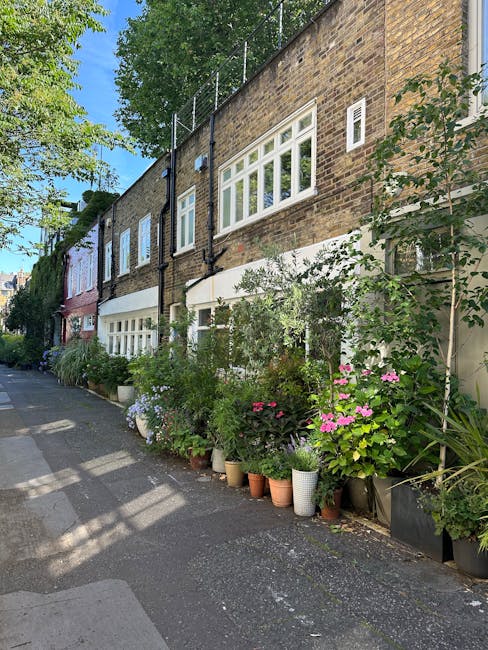
If a plant needs constant attention and the space does not suit that level of care, replace it with something more forgiving. The best garden for everyday life is often the one that matches the household's actual routine. If you need inspiration for lower-effort planting, the article on low-maintenance garden ideas is worth a read.
Common Mistakes to Avoid
Most garden maintenance problems are not dramatic. They are small misjudgements repeated over time.
- Leaving pruning too late. By the time a hedge blocks light or a shrub sprawls into a path, you are already on the back foot.
- Cutting everything back in one go. Hard pruning can stress plants and make the garden look bare or uneven.
- Ignoring the soil. Many people focus on what is visible and forget the ground beneath it. Poor soil shows up later as weak growth.
- Using the wrong tool for the surface. A harsh scraper on delicate paving or a blunt mower on damp grass is a recipe for frustration.
- Letting ivy or climbers get structural. At that stage, removal becomes slower and riskier.
- Cleaning only when things look bad. By then, algae, weeds, and build-up are harder to shift.
- Forgetting seasonal timing. A spring tidy is not the same as autumn preparation, and winter care has different priorities again.
One more, and it sounds minor but is worth saying: do not let "I'll do it properly later" become a lifestyle. Gardens do not wait politely. They keep growing, and they are not subtle about it.
Tools, Resources and Recommendations
You do not need a shed full of specialist kit to keep a Hackney garden in shape. A practical set of tools is usually enough.
| Tool or resource | Best use | Why it helps |
|---|---|---|
| Hand shears | Light hedge and shrub shaping | Good control for detail work in smaller gardens |
| Secateurs | Deadheading and small pruning jobs | Cleaner cuts and less plant damage |
| Garden rake | Leaf clearance and surface tidy-up | Helps keep lawns and borders clear |
| Weed knife or scraper | Path and border weed removal | Useful for tight spots and paving joints |
| Lawnmower | Routine grass cutting | Keeps lawns even and healthy when used correctly |
| Hose or watering can | Targeted watering | Better for establishing plants than soaking everything blindly |
| Mulch | Soil protection and moisture retention | Supports roots and reduces weed growth |
Beyond tools, think about what kind of support is most useful. For some homes, it is a reliable seasonal tidy. For others, it is recurring upkeep plus a few occasional specialist tasks. If you are improving the whole outdoor space, landscaping services can help reshape awkward layouts, while decking work may improve how the space is used. If the garden needs a more robust reset, a regular maintenance plan is often the most practical starting point.
For knowledge-building, the website's practical articles can be useful too. The piece on starter gardening tips is a sensible beginning if you are newer to all this, while weather defence ideas can help you think in seasons rather than panic mode.
Law, Compliance, Standards, or Best Practice
For most domestic gardens, there is no complicated legal framework to manage just for routine maintenance. Still, good practice matters. In London, gardens are close to other properties, so being considerate with noise, boundary growth, waste handling, and overhanging branches is part of responsible ownership.
If trees are involved, caution is wise. Tree work can become technical quickly, especially when a tree is protected, close to structures, or tied into neighbour concerns. In those cases, it is sensible to use qualified help rather than guess. If you are weighing up specialist work, the article on the hidden costs of tree surgery is a useful reminder that cheap quotes are not always the real cost.
Best practice also means:
- checking boundaries before cutting anything near shared fences or hedges
- disposing of green waste properly
- avoiding damage to roots, paving, or drainage systems
- using tools safely and storing them responsibly
- being aware that some work may need extra care if wildlife is present
That last point matters more than people think. A tidy garden is nice; a garden handled carelessly is not. If birds are nesting or wildlife is active, it is better to pause and think than to plough ahead because the schedule says so.
Options, Methods, or Comparison Table
Different homes near Hackney Central need different maintenance approaches. Here is a simple comparison to help you choose a sensible direction.
| Approach | Best for | Pros | Trade-offs |
|---|---|---|---|
| DIY routine upkeep | Small gardens with light growth | Flexible, lower cost, immediate control | Takes time and consistency; easy to fall behind |
| Seasonal tidy service | Homes that need periodic reset | Good for spring/autumn work and major clear-ups | Can drift if regular follow-up is missed |
| Recurring maintenance plan | Busy households and larger planting schemes | Predictable, tidy year-round, less stress | Requires ongoing commitment |
| Mixed maintenance plus specialist tasks | Gardens with lawns, hedges, trees, and hard landscaping | Targets what each part of the garden needs | Needs coordination between different tasks |
For many homeowners, the mixed approach works best. You keep on top of the basic jobs and call in support for more demanding work like hedge shaping, tree care, or deep patio cleaning. A lot of good garden management is just knowing where your time is best spent.
If privacy, form, or boundary structure are priorities, it may also be worth reading about hedge-trimming precision and the practical side of fencing when fences are leaning, worn, or simply past their best.
Case Study or Real-World Example
Picture a typical garden a short walk from Hackney Central: a narrow rear plot behind a terraced home, one side dominated by a fence and climber growth, the other filled with a couple of shrubs, a tired lawn, and a paved area that has gone dull and slippery after months of shade.
The first pass is not glamorous. Leaves are cleared. Weeds come out of the border and the cracks between slabs. The hedge is trimmed back so it no longer presses into the walkway. A few dead branches are removed, and the lawn is cut to a healthier height rather than scalped. The patio is cleaned enough that the colour comes back a little. Not magic. Just better.
Then the maintenance turns strategic. The border gets mulched so it holds moisture better. The climber is checked because it is getting ambitious. The lawn is watched for signs of thinning in the shadier section. A month later, the garden is easier to step into and easier to keep that way. That is the real win. Not a one-off transformation, but a space that can breathe.
We have seen that many times in London gardens, especially around stations and built-up streets where outside space works hardest. The people who enjoy their gardens most are not always the ones who do the most at once. They are the ones who keep things moving in manageable increments. Simple, really. But not effortless.
Practical Checklist
Use this checklist as a quick maintenance reset for homes near Hackney Central station:
- Walk the garden and note problem areas
- Remove leaves, litter, and dead plant material
- Pull weeds before they seed
- Trim hedges and shrubs that block light or access
- Mow and edge the lawn if needed
- Check for moss, algae, or slippery patches on hard surfaces
- Inspect fences, decking, and raised edges for damage
- Look for signs of pests or disease on leaves and stems
- Water vulnerable plants according to season and soil condition
- Add mulch or compost where the soil looks tired
- Clear green waste properly
- Set a date for the next check-in, before the garden gets away from you again
A small checklist like this can stop a lot of drifting. And drifting is usually how gardens slip from "fine" to "why did we wait so long?"
If you want a deeper understanding of how outdoor spaces can be improved beyond routine upkeep, the guide on garden makeover planning is a helpful companion read.
Get a free quote today and see how much you can save.
Conclusion
Garden maintenance for homes near Hackney Central station is really about making urban outdoor space work better for daily life. Not in some glossy, unrealistic way, but in a way that fits busy schedules, close neighbours, shifting weather, and the reality of London living.
Keep the routine practical. Tidy what matters first. Shape growth before it becomes a problem. Look after lawns, hedges, borders, patios, and structural features as parts of the same space. Do that well, and the garden becomes easier to enjoy, easier to manage, and far less likely to surprise you with a long list of jobs on the first warm Saturday of the year.
And honestly, that is what most homeowners want: a garden that feels calm, usable, and quietly under control. A bit of breathing room. A bit of green. Something that welcomes you home.

Drawing upon his expertise in gardening, Louis has the skill to produce informative articles on landscaping, lawn care, and garden maintenance, aiding numerous individuals in experiencing the garden they've yearned for.